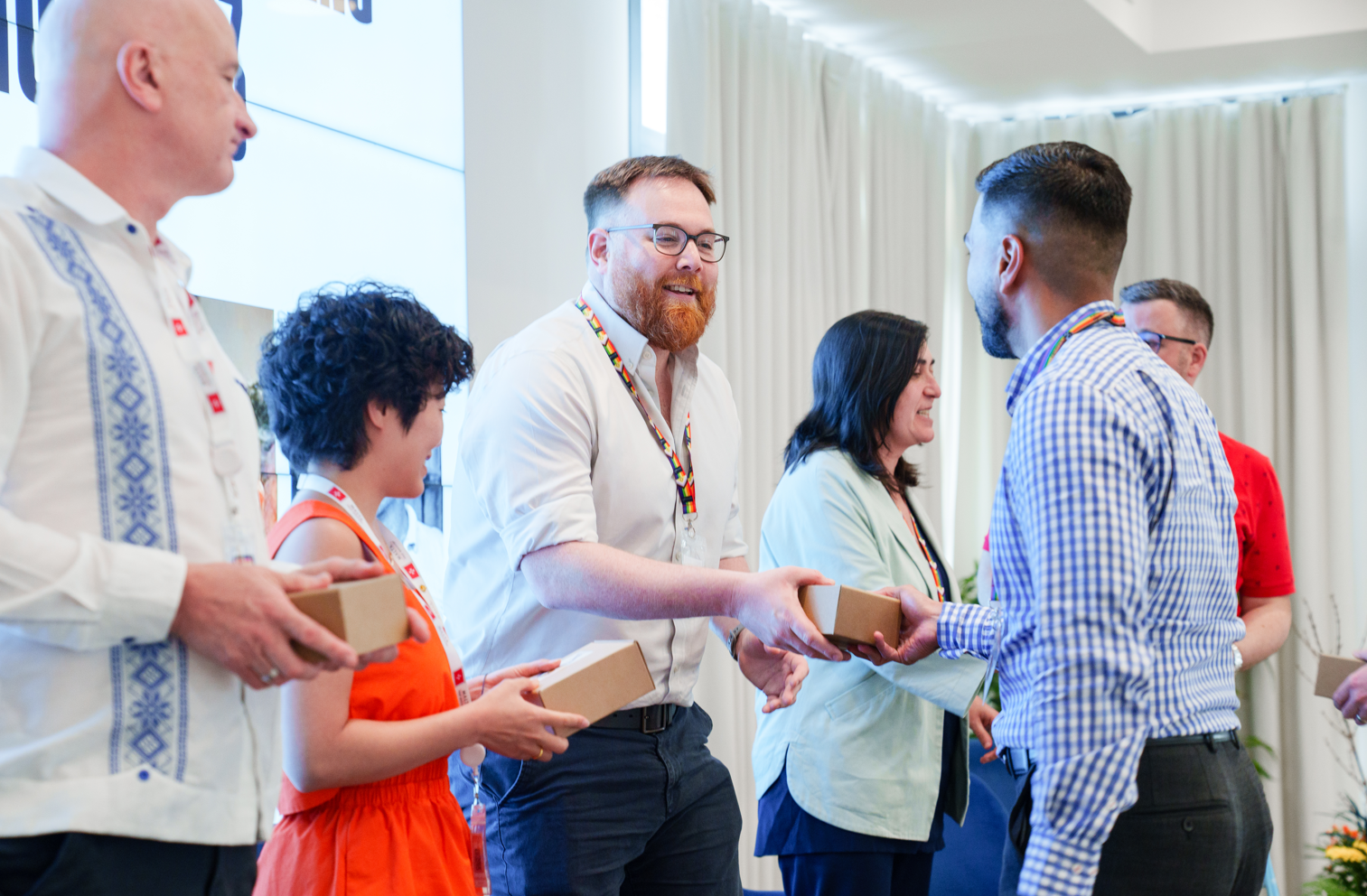
Our 2026 Vigo Workshop
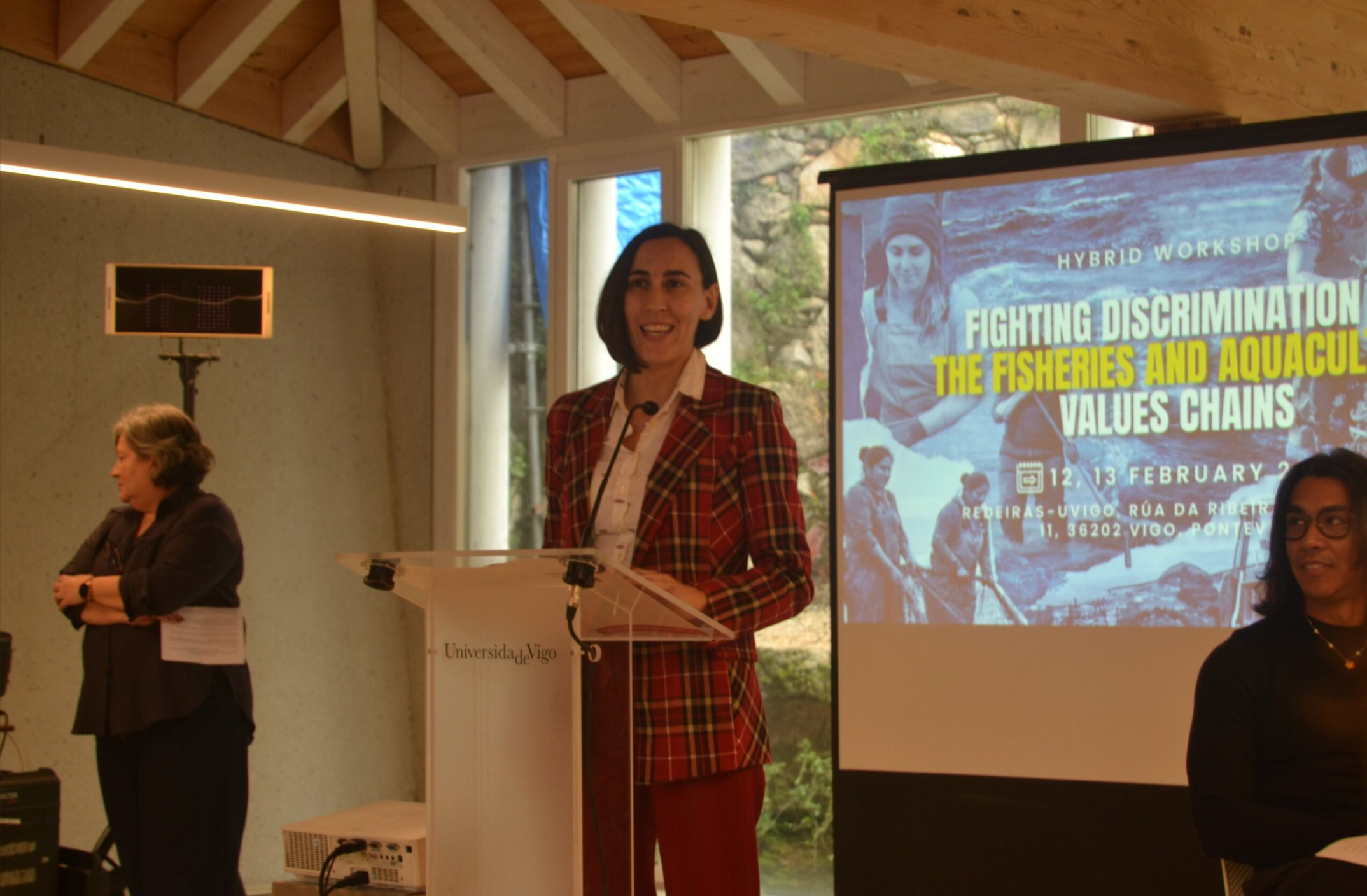
A hybrid international workshop held in Vigo, Spain, bringing together experts, researchers, and organisations to address inequality and promote inclusion across fisheries and aquaculture value chains.
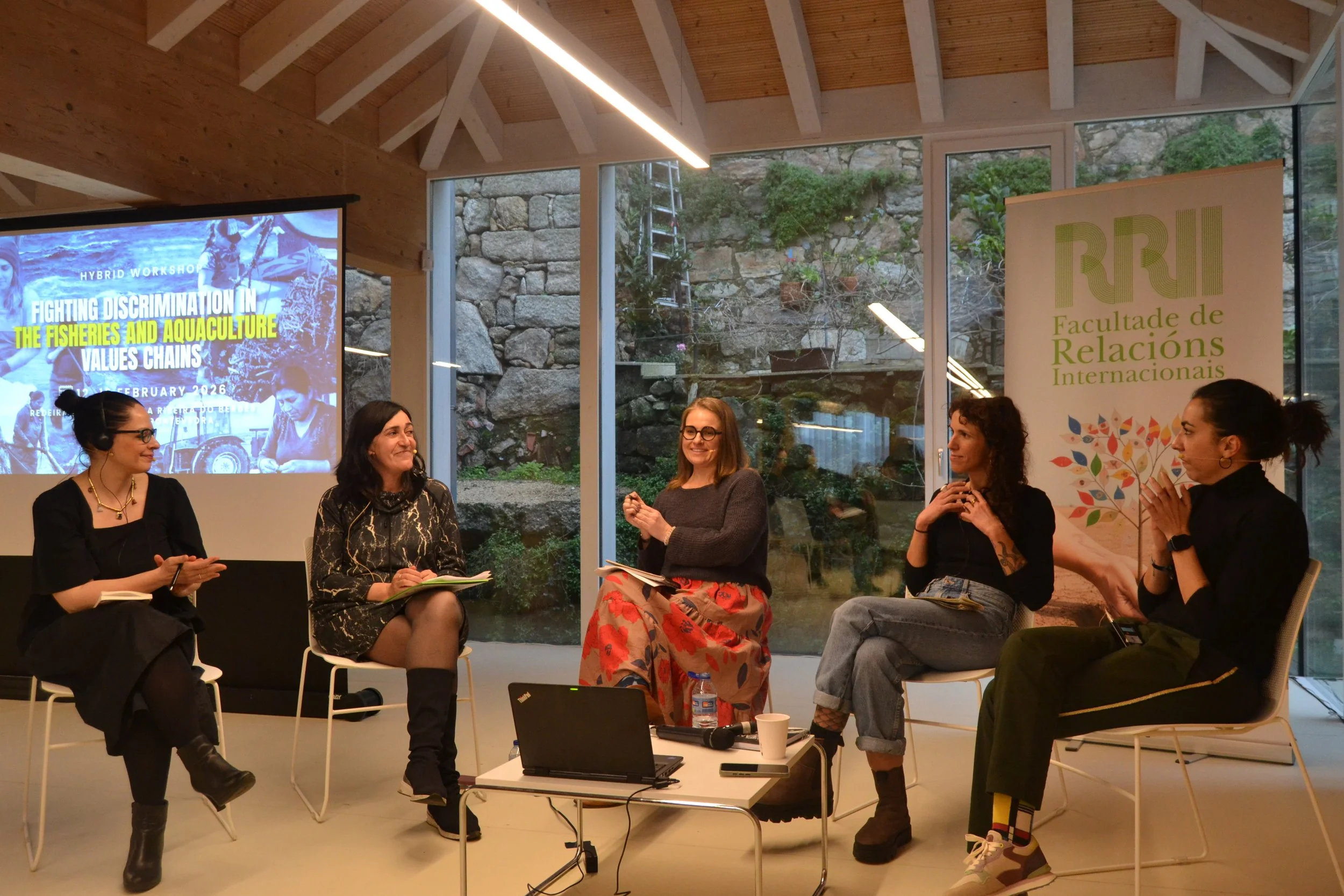
Fighting Discrimination in the Fisheries and Aquaculture Value Chains
This workshop brought together academics, civil society organisations, and policy specialists to explore the structural inequalities shaping the blue economy.
Co-organised by a coalition of international and local partners, the event created a space for interdisciplinary dialogue focused on building more inclusive, equitable, and rights-based systems within maritime industries.
The discussions reinforced the need for long-term, rights-based strategies that prioritise inclusion, safety, and equal opportunity across the maritime sector.
By bringing together diverse perspectives, the workshop contributed to a growing movement focused on transforming the blue economy into a space where all individuals can participate, contribute, and thrive.
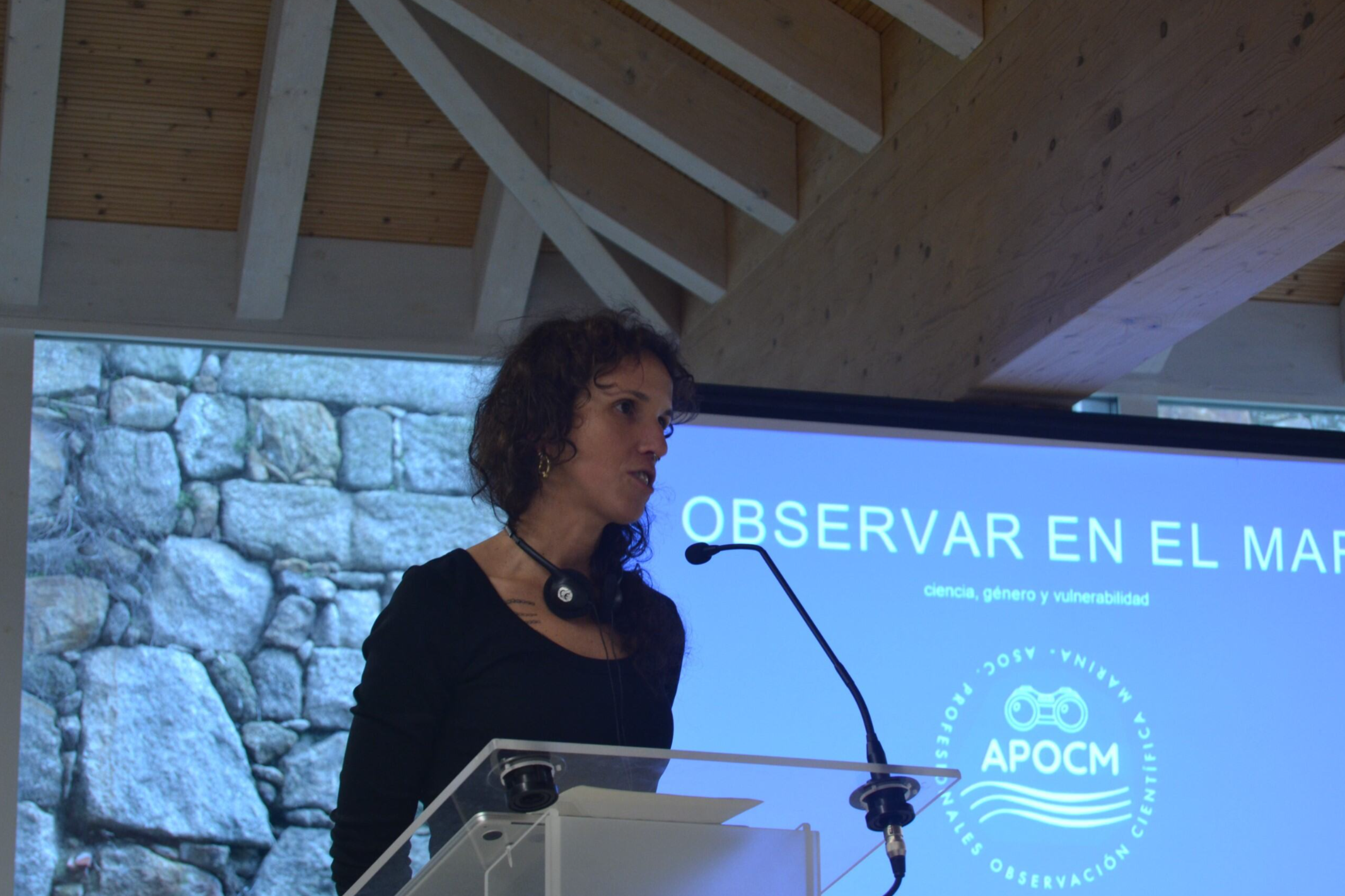
Our 2026 Workshop Panels: 2 Days of Inclusive Dialogue and Awareness
DAY 1
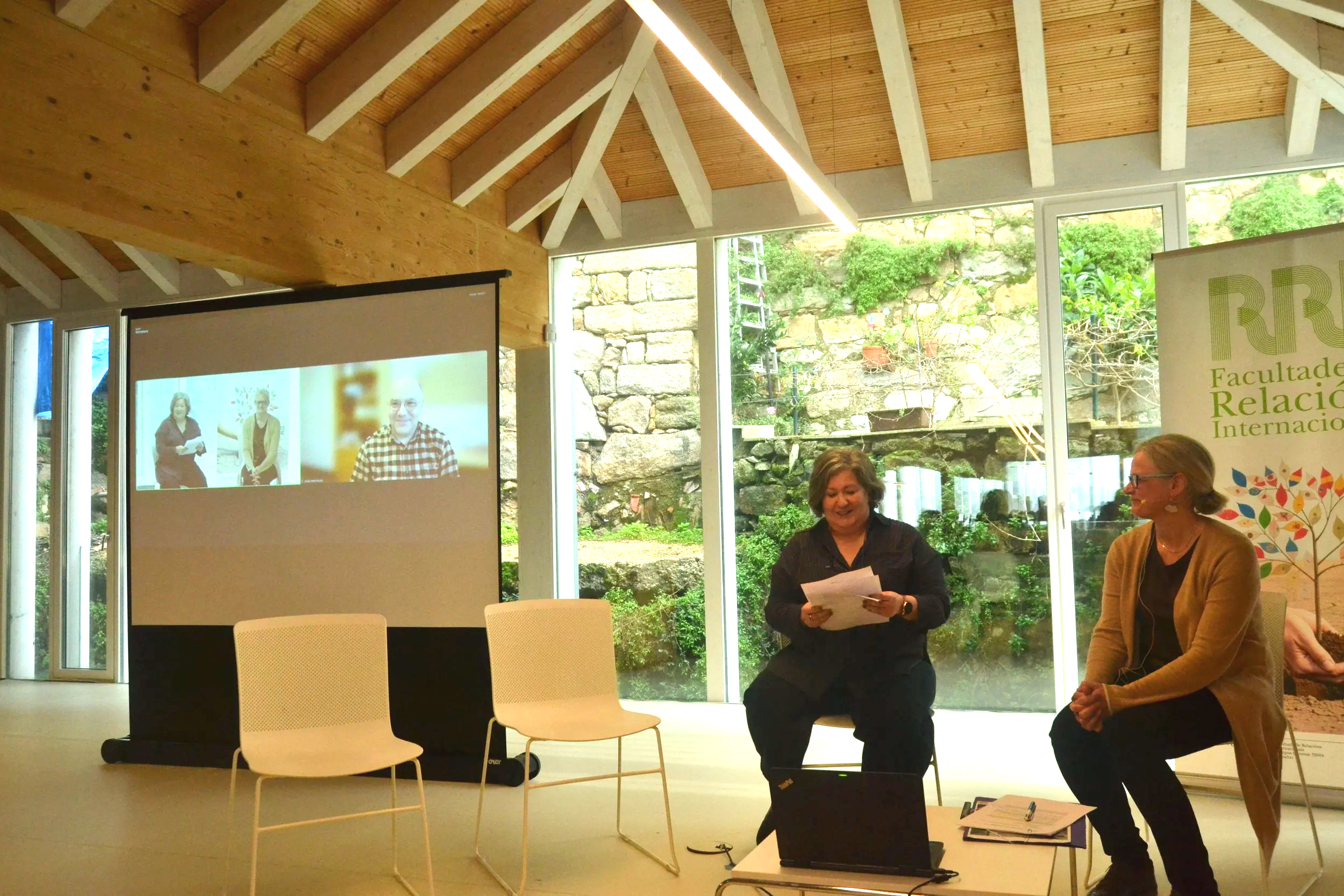
Tackling Structural Sex Discrimination in the Fisheries and Aquaculture Value Chains
This panel explored how structural sex discrimination manifests across fisheries and aquaculture value chains, emphasizing informal employment, limited participation in governance, and the invisibility of women’s contributions. Speakers examined international legal frameworks, gender mainstreaming initiatives, and socio-economic research highlighting the critical yet undervalued role of women in the blue economy. The discussion underscored the need for cross-country collaboration, improved data collection, and institutional reforms to ensure equal participation and recognition.
Occupational Safety and Health Policies Targeting Women and Girls in the Fisheries and Aquaculture Value Chains
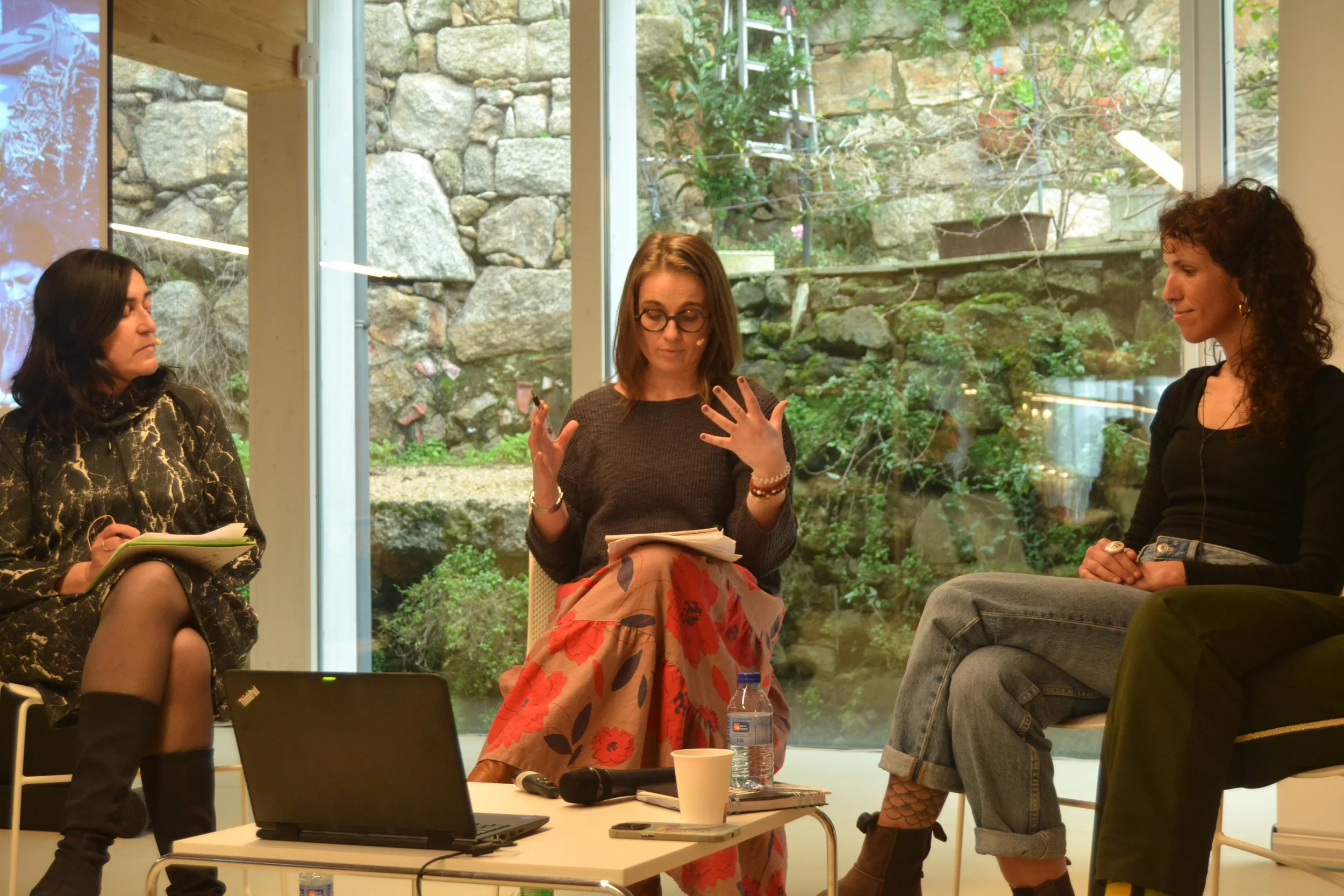
This session focused on gender gaps in occupational safety and health (OSH) frameworks within fisheries and aquaculture. Panellists highlighted how existing policies often fail to account for women’s specific working conditions, resulting in inadequate protection and heightened vulnerability. Drawing from legal analysis, field experience, and industry perspectives, the discussion emphasized the importance of gender-sensitive OSH standards, stronger enforcement mechanisms, and inclusive policy design to secure safe and non-discriminatory work environments.
Mobilizing Collective Action for Change: The Power of Associating to Have a Voice in the Fisheries and Aquaculture Value Chains
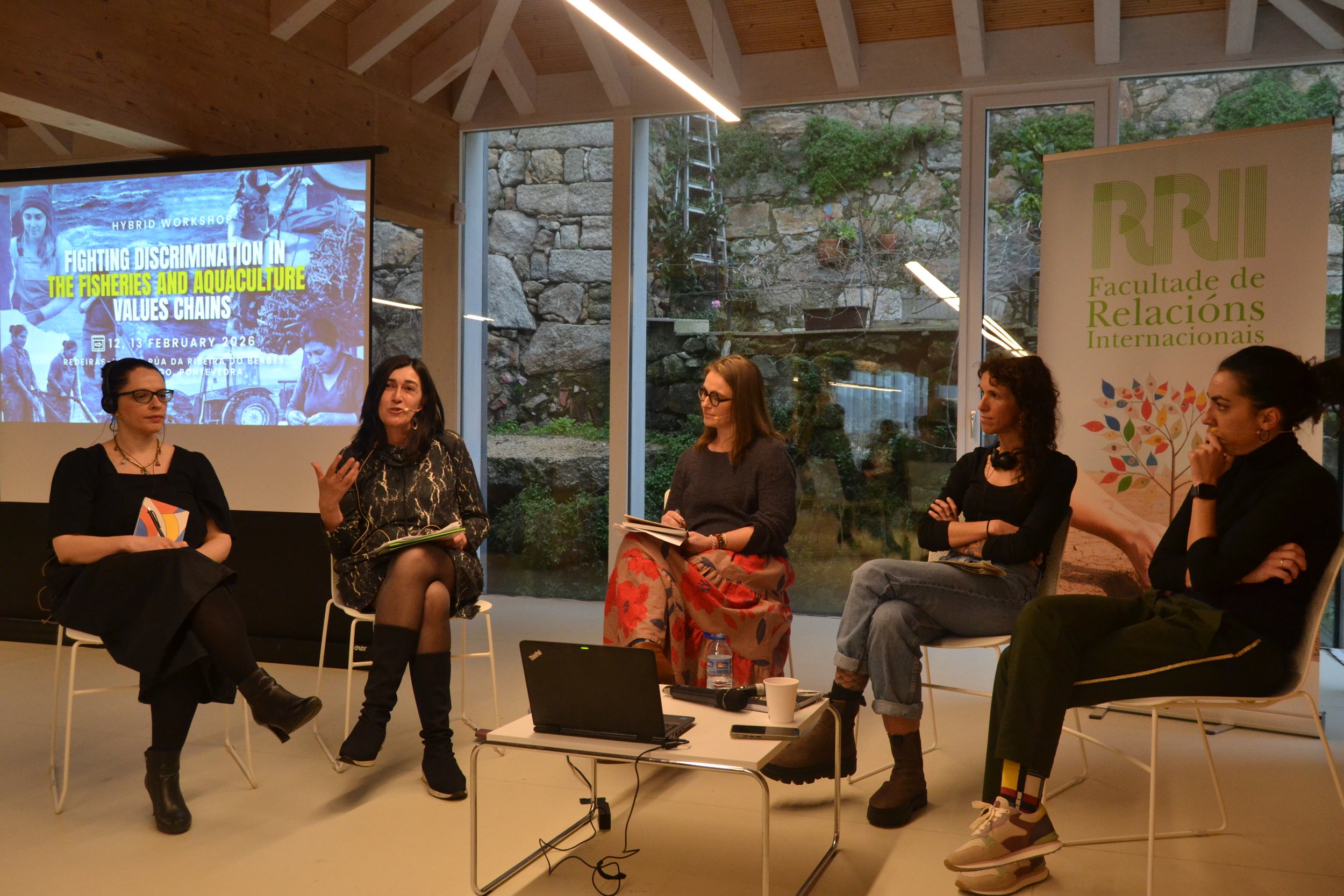
This panel examined the power of associations, unions, and cooperatives in strengthening the voice and bargaining power of marginalized actors in fisheries value chains. Speakers discussed labour rights, market asymmetries, and advocacy strategies, illustrating how collective organization can challenge exclusion, promote fair working conditions, and influence policy reform. The session highlighted collective action as a key mechanism for advancing equity and sustainable governance.
DAY 2
Discrimination in Access to Fisheries: the Case of Palestine and Western Sahara
The final panel addressed discrimination in access to fisheries resources in politically sensitive and conflict-affected contexts. Through legal and human rights analysis, speakers examined restrictions, governance disputes, and the socio-economic consequences for affected communities in Palestine and Western Sahara. The session highlighted the intersection between international law, resource sovereignty, and economic justice, reinforcing the importance of rights-based approaches in fisheries governance.
On the Shoulders of Gender Equity Policies: Tackling Discrimination of Vulnerable Groups in Particular the LGBT+ Community
Building on gender equity debates, this session broadened the discussion to include discrimination affecting vulnerable groups, particularly the LGBT+ community. Panellists explored issues of invisibility, safety at sea, social stigma, and workplace discrimination. The discussion emphasized intersectionality and called for inclusive policies that address multiple and overlapping forms of marginalization within maritime sectors.
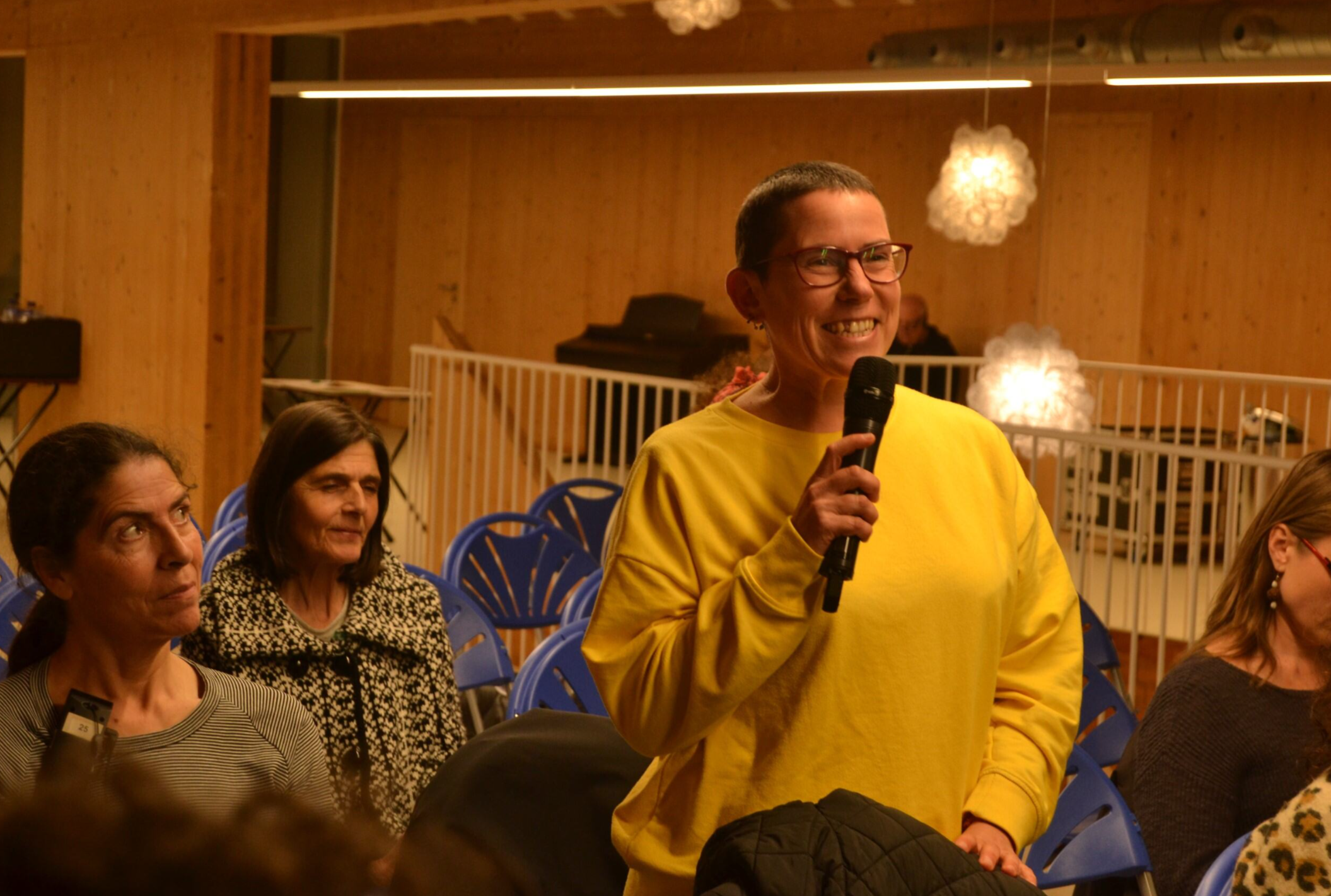
Forum Gallery
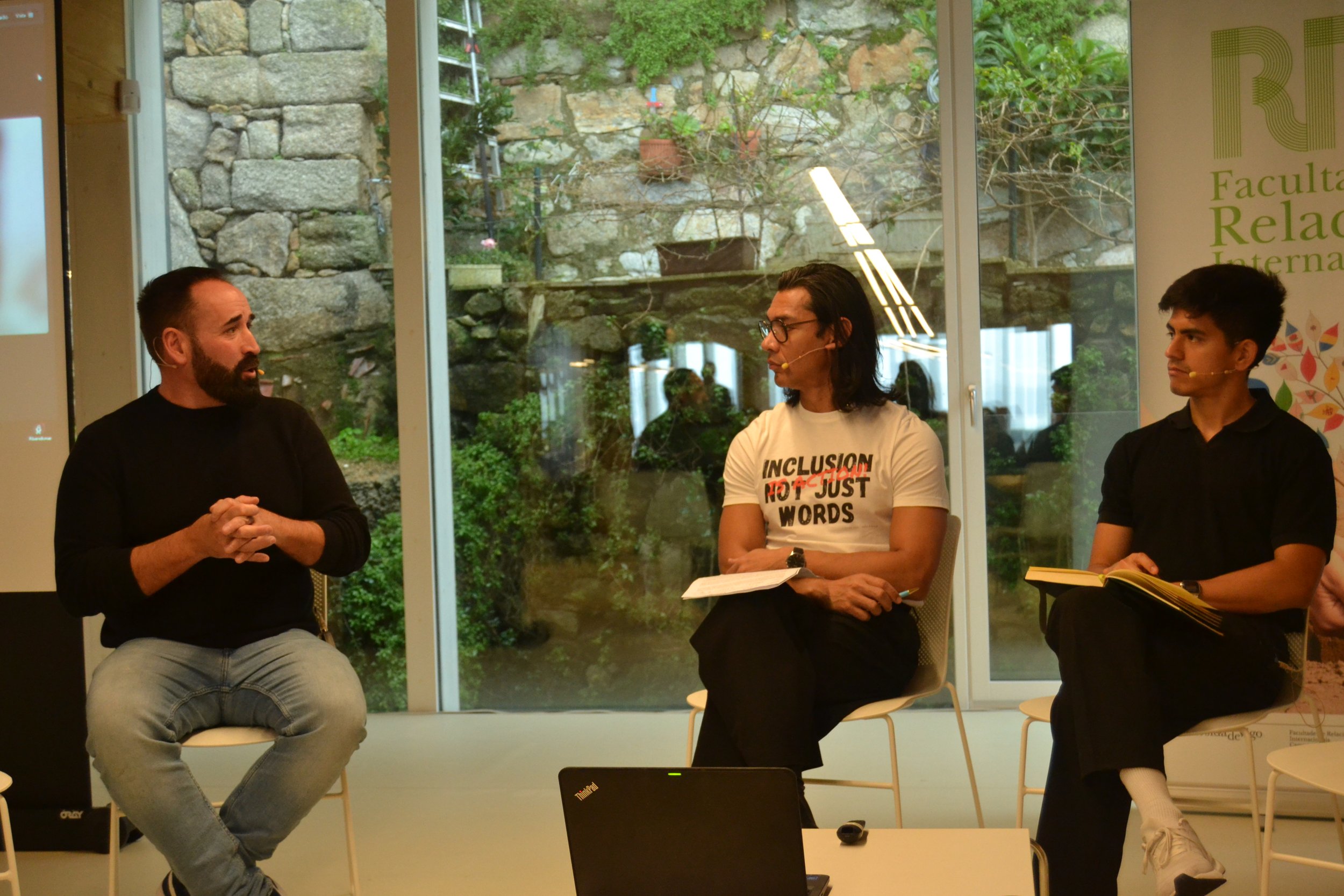
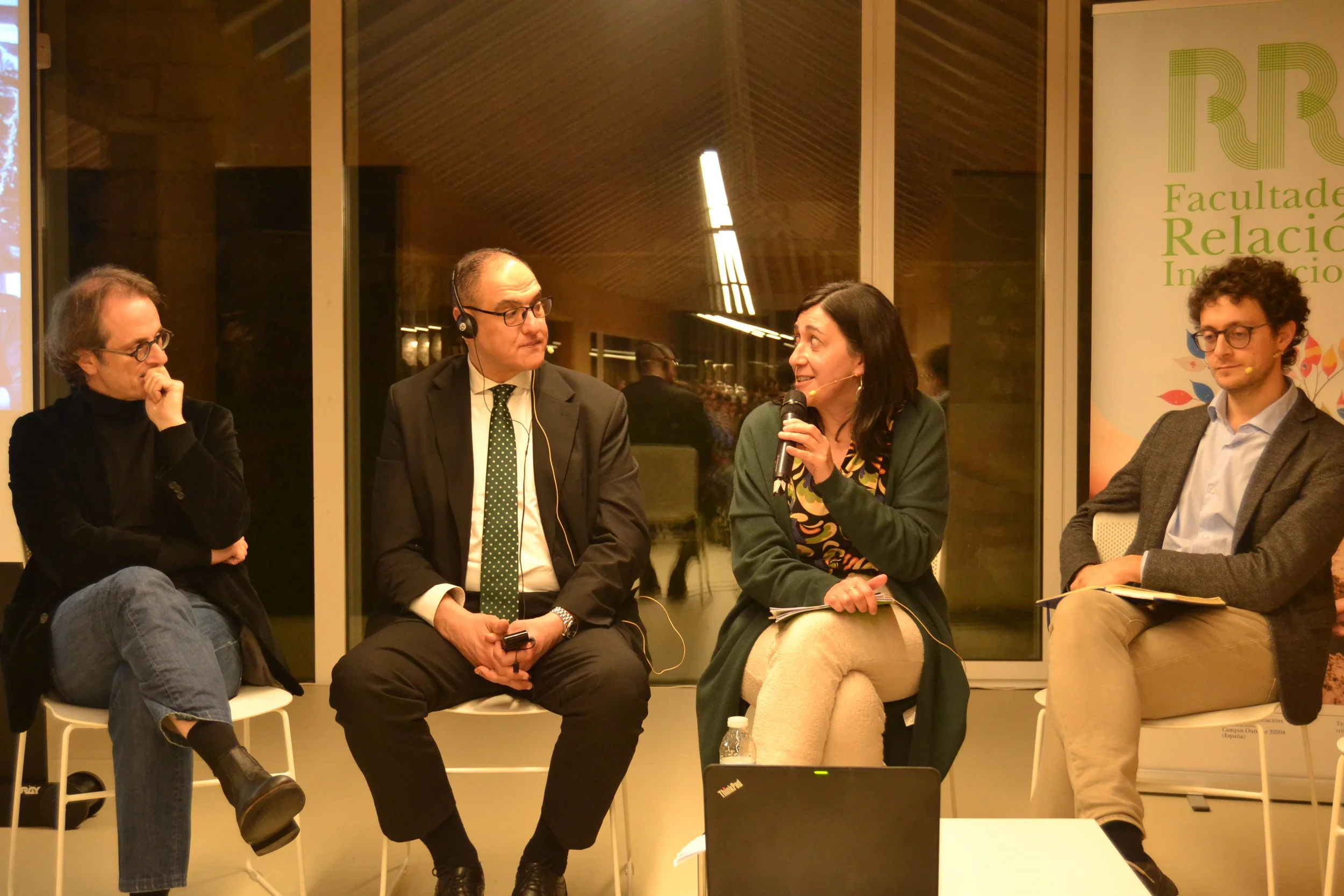
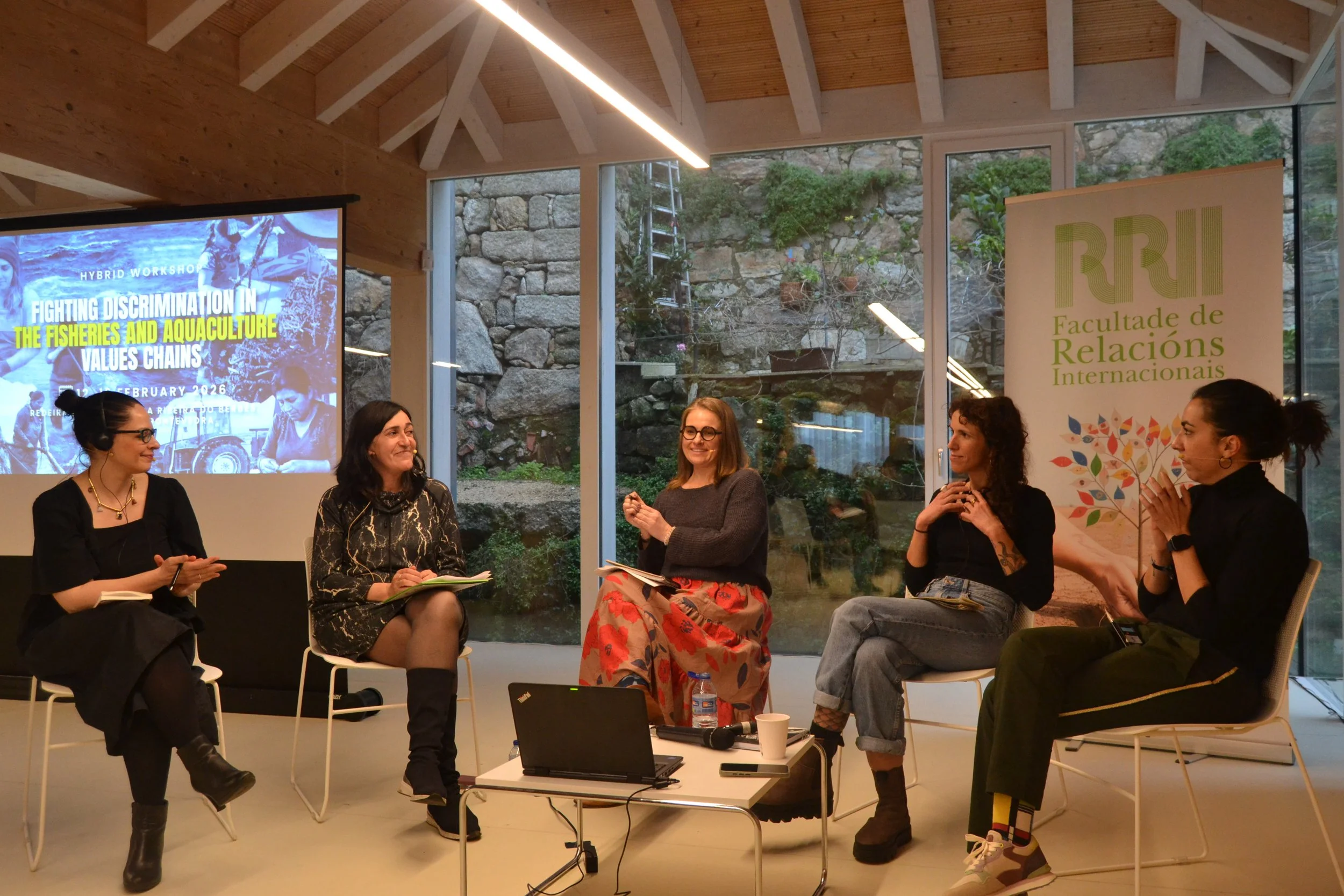
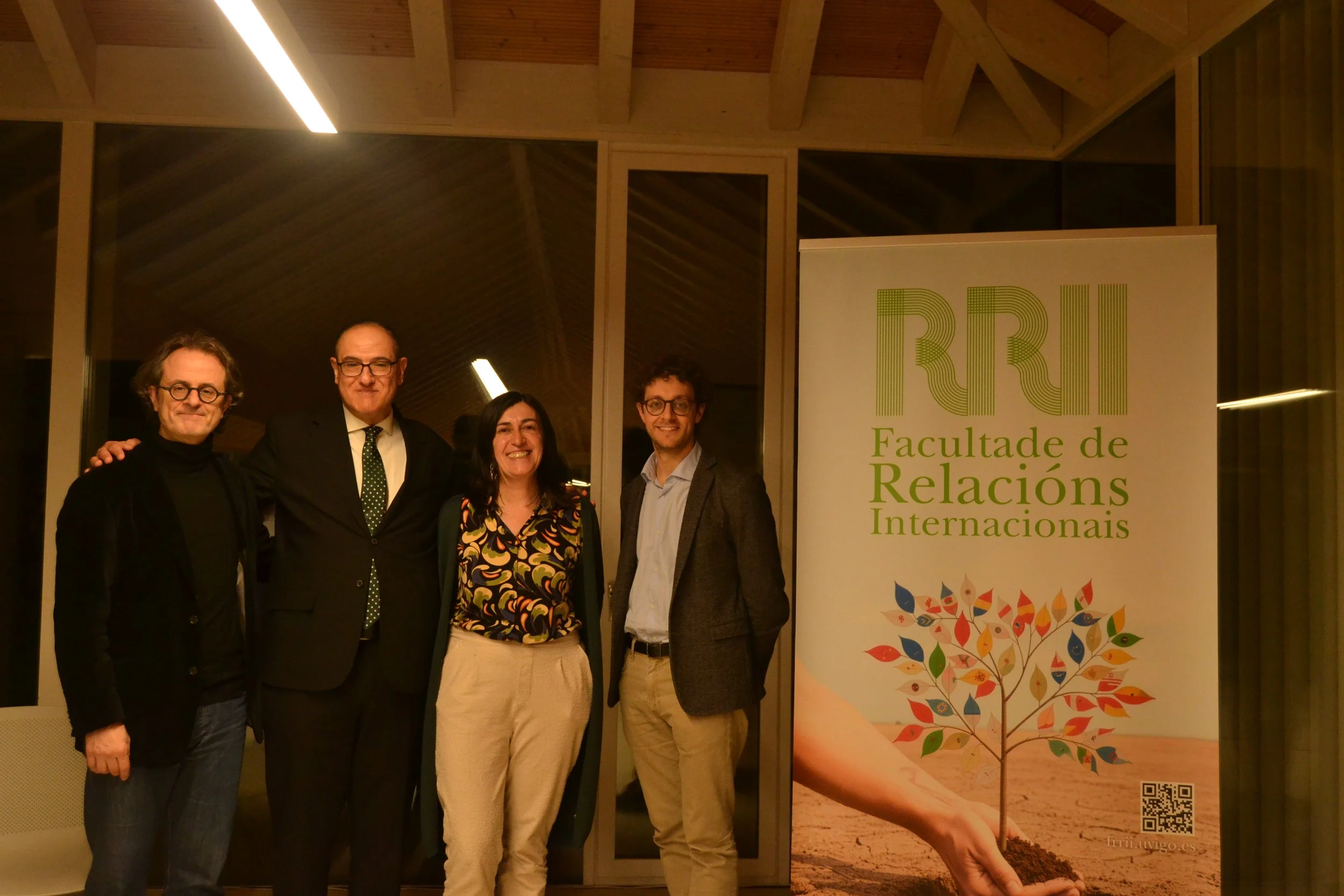
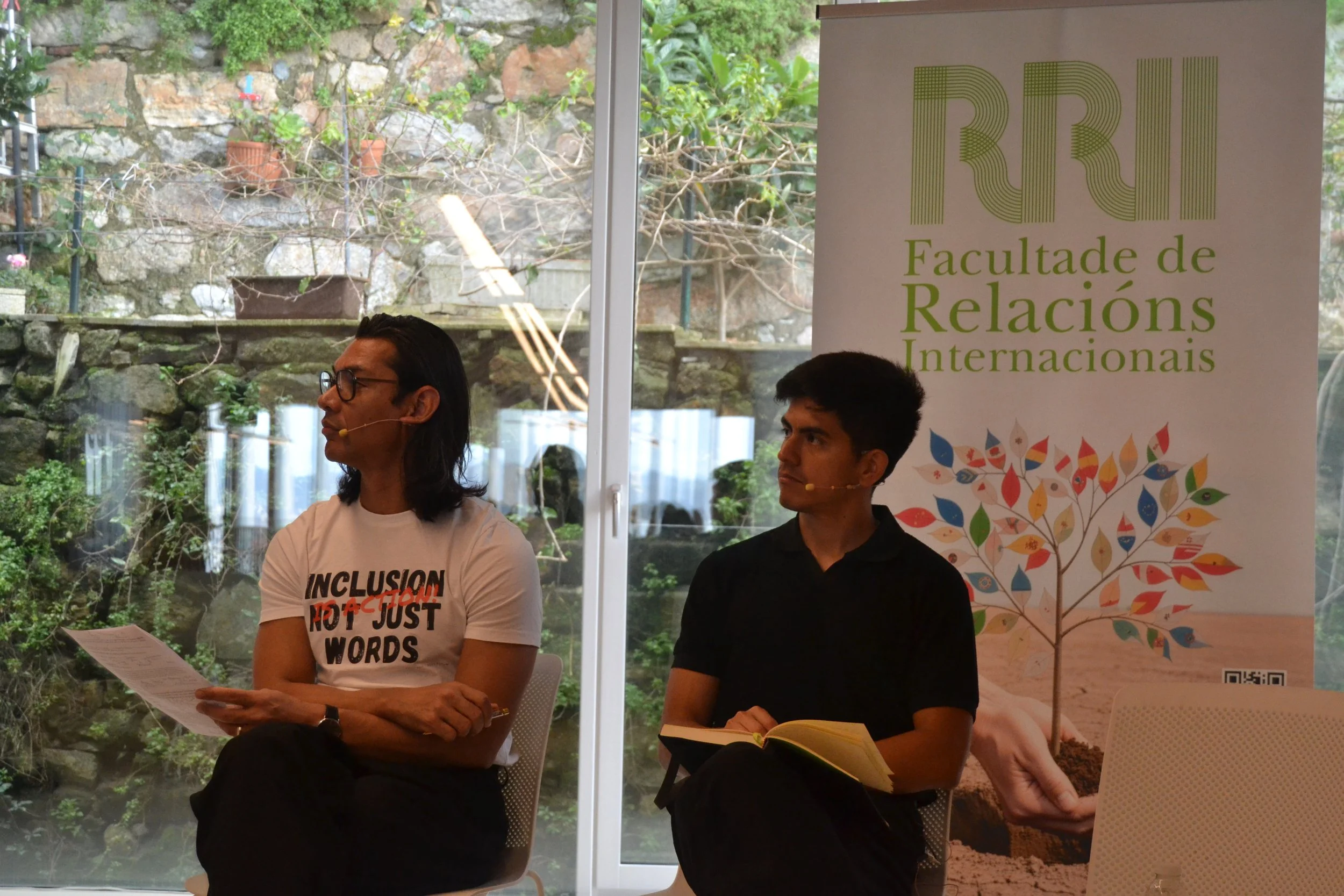
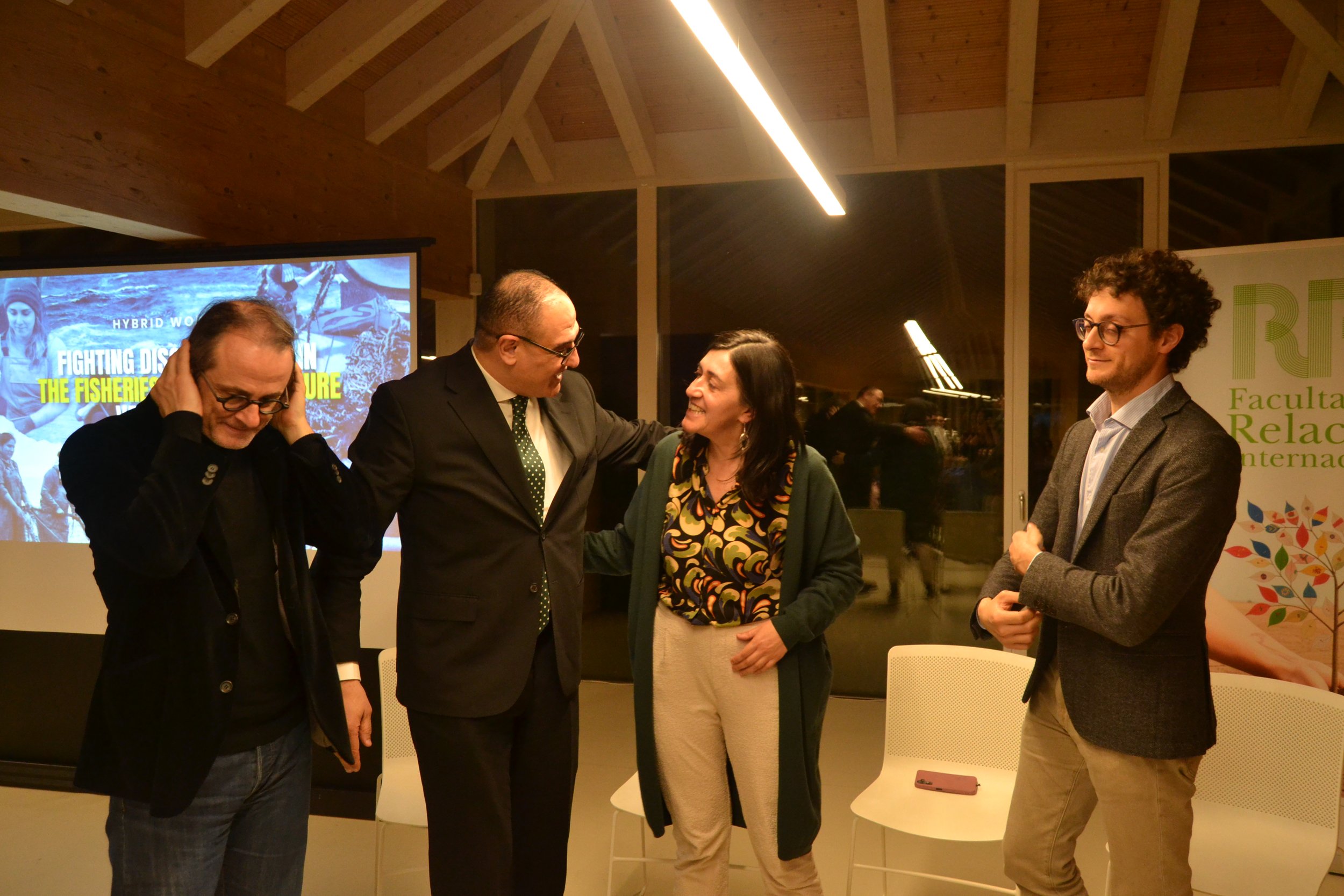
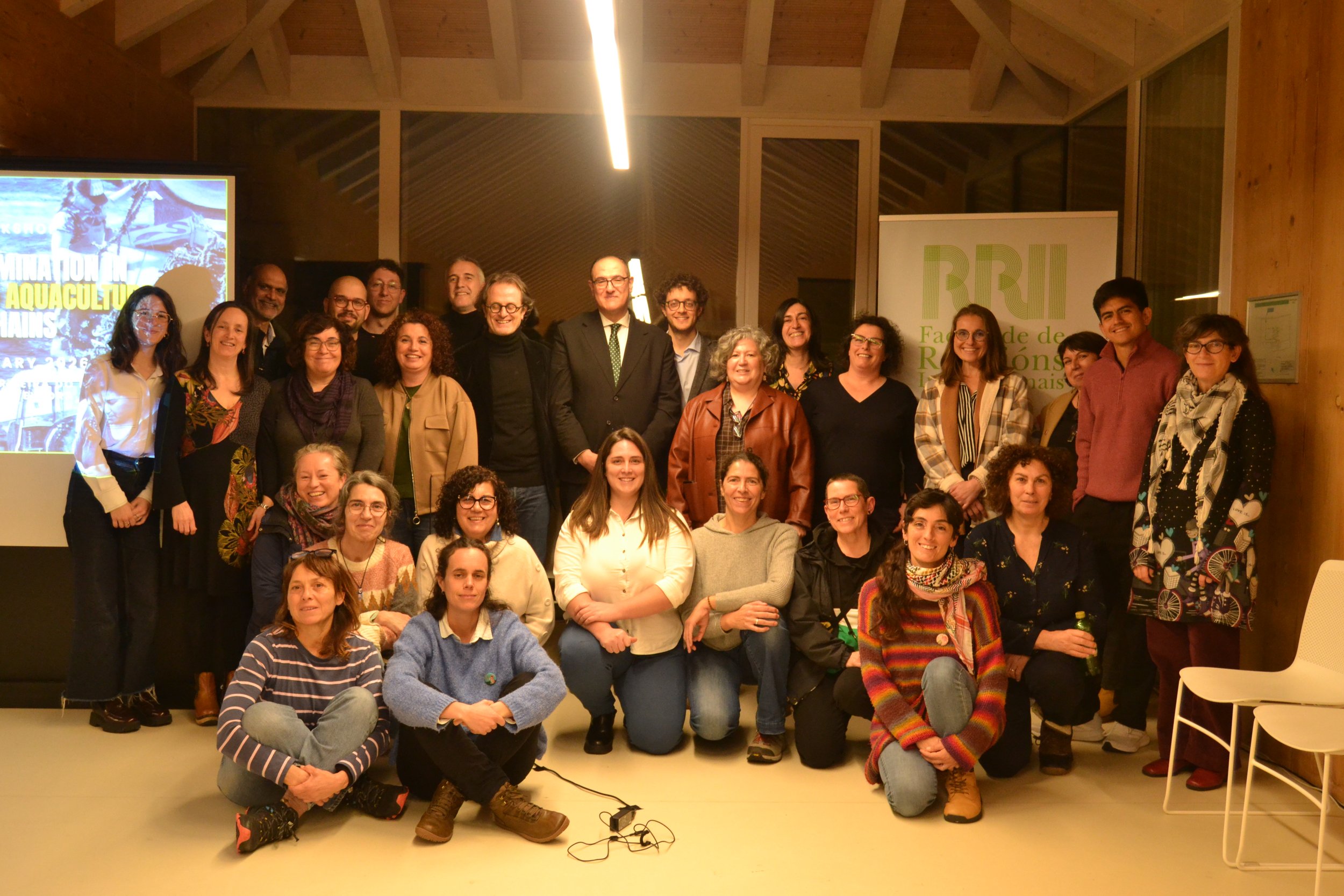
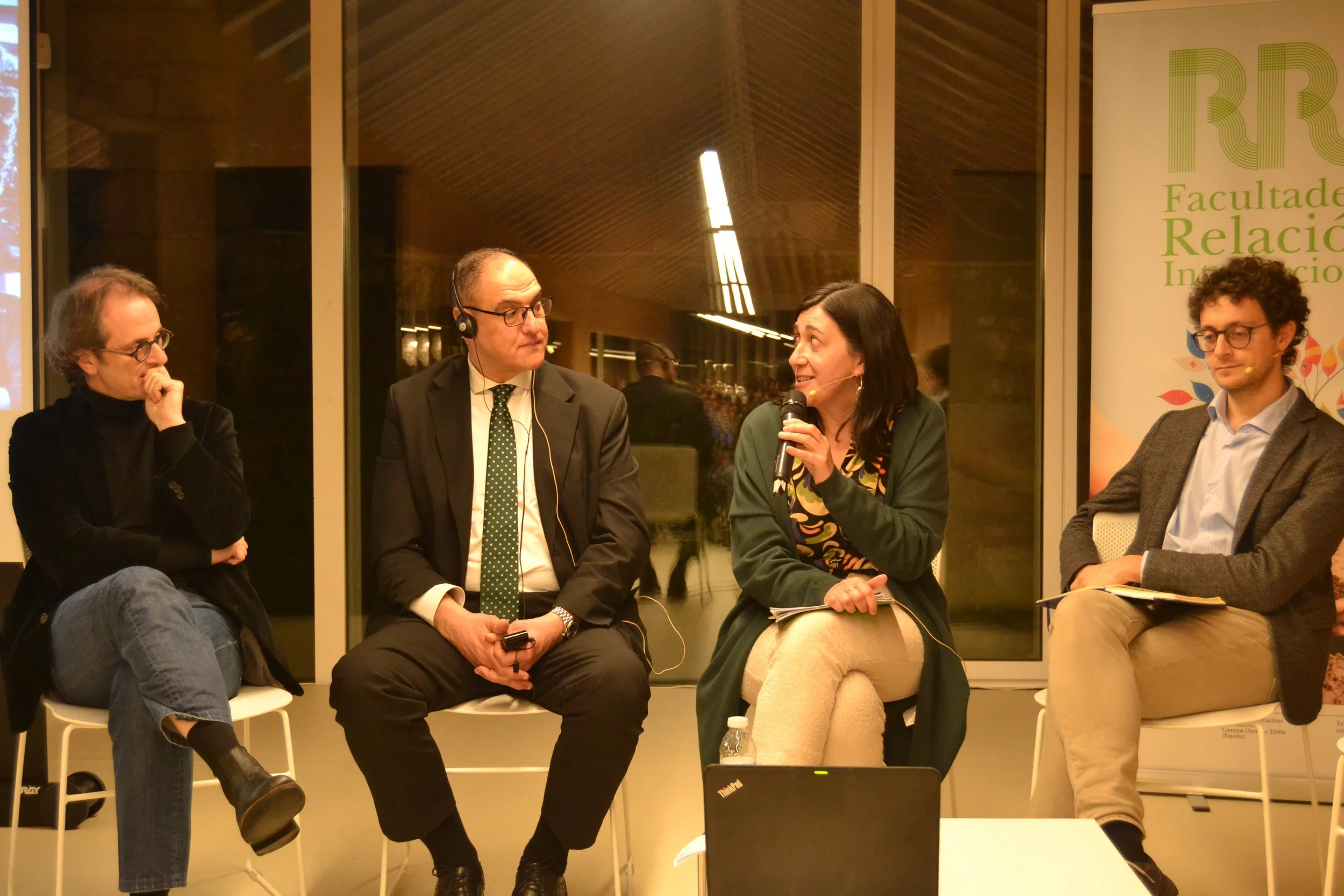
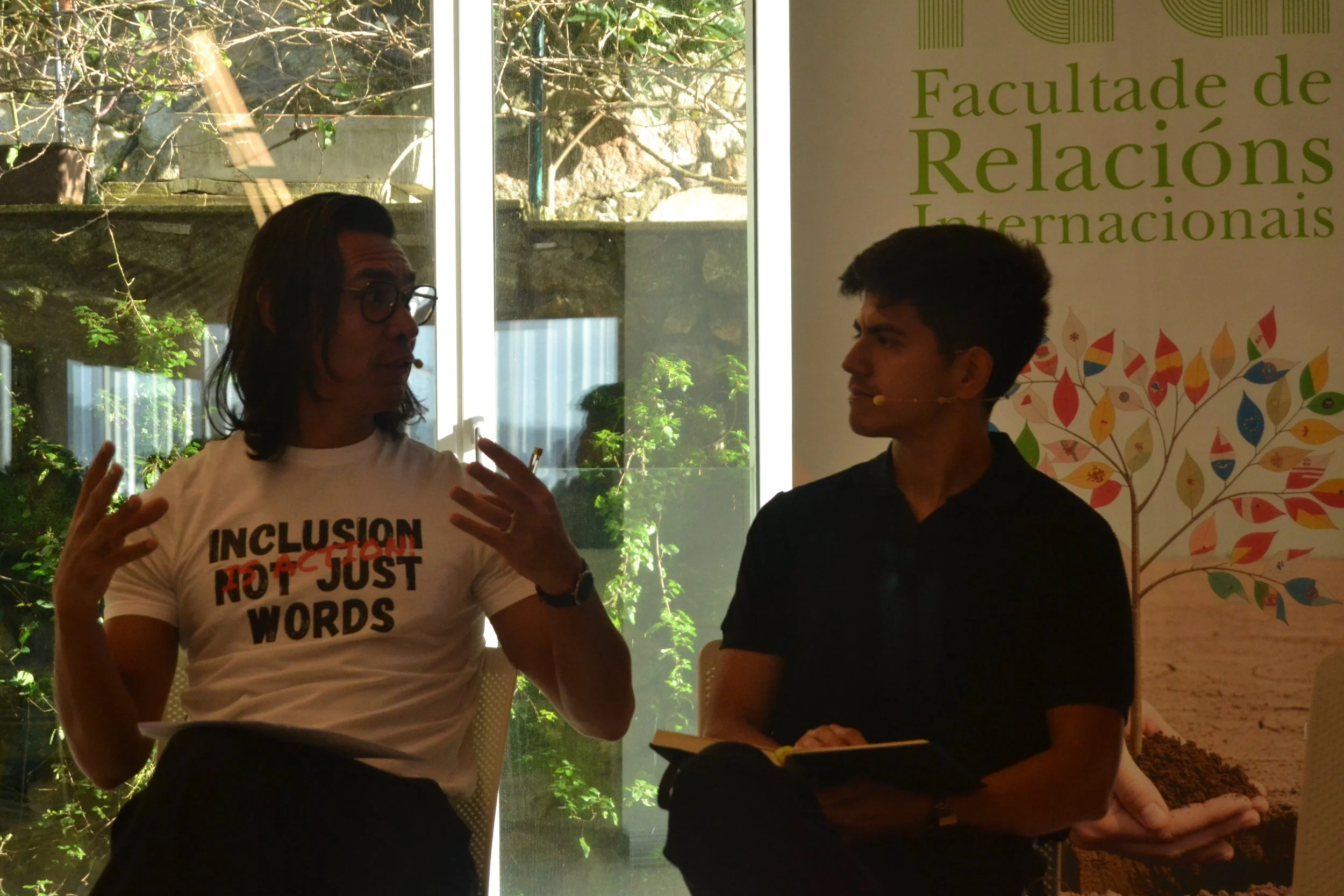
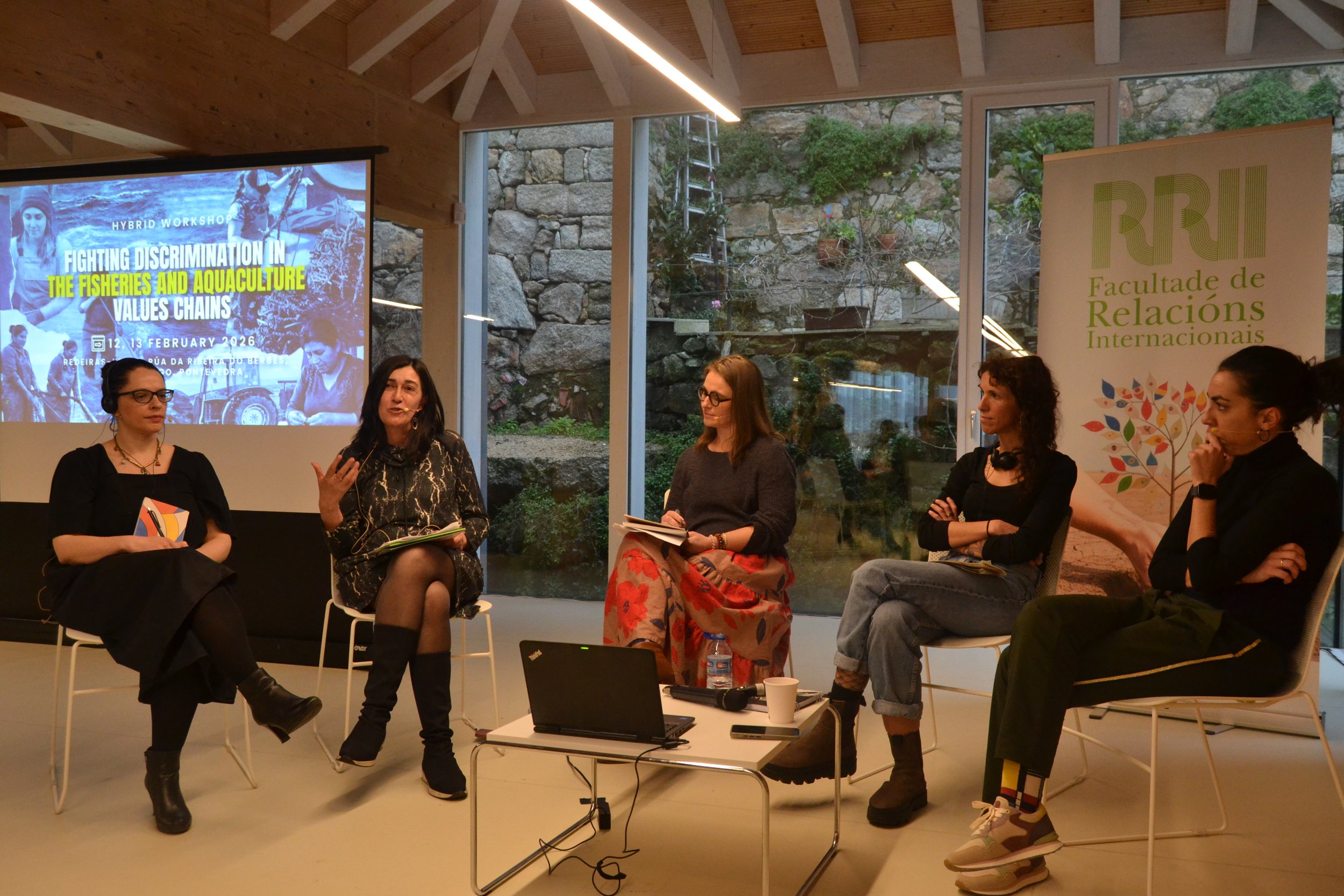
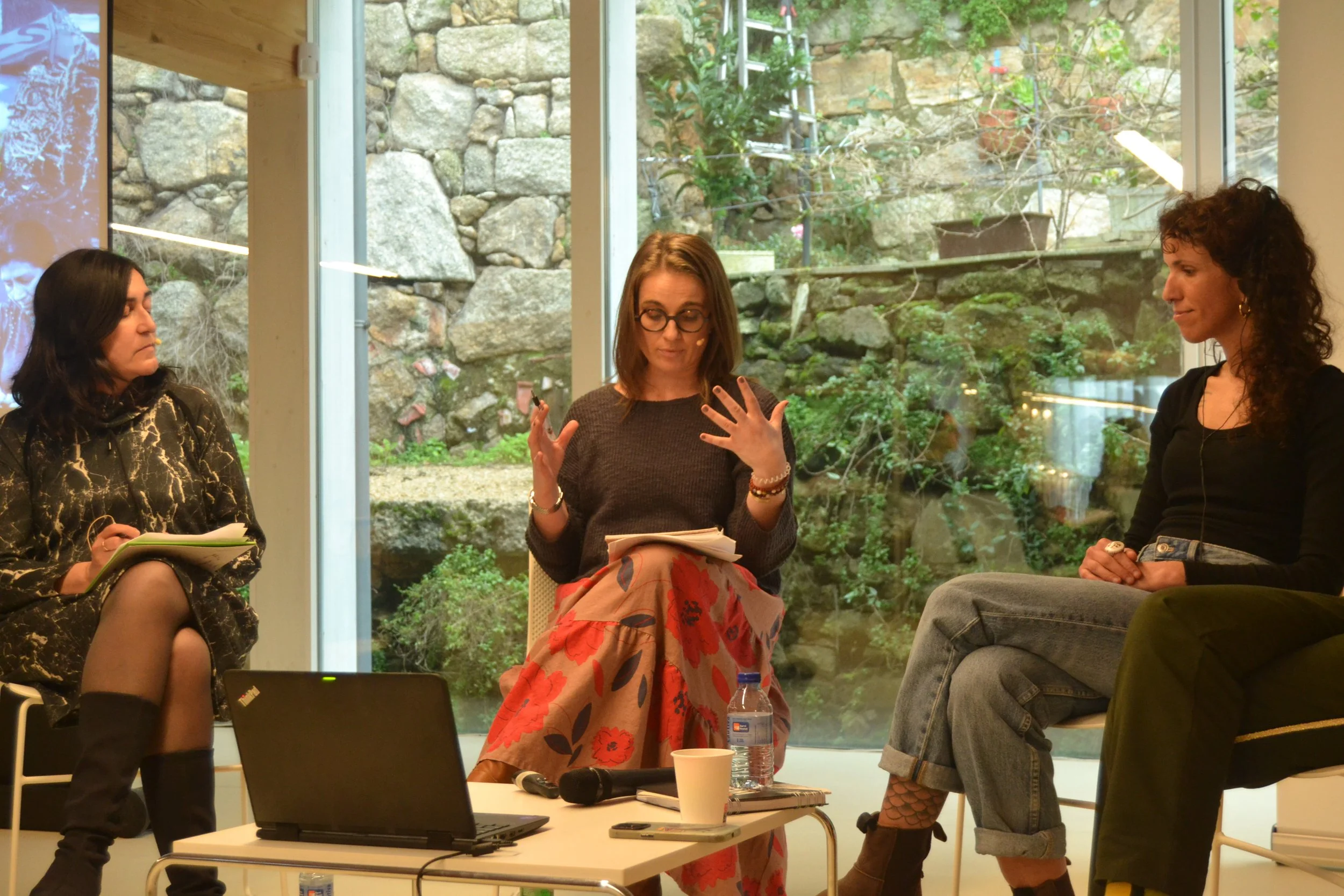
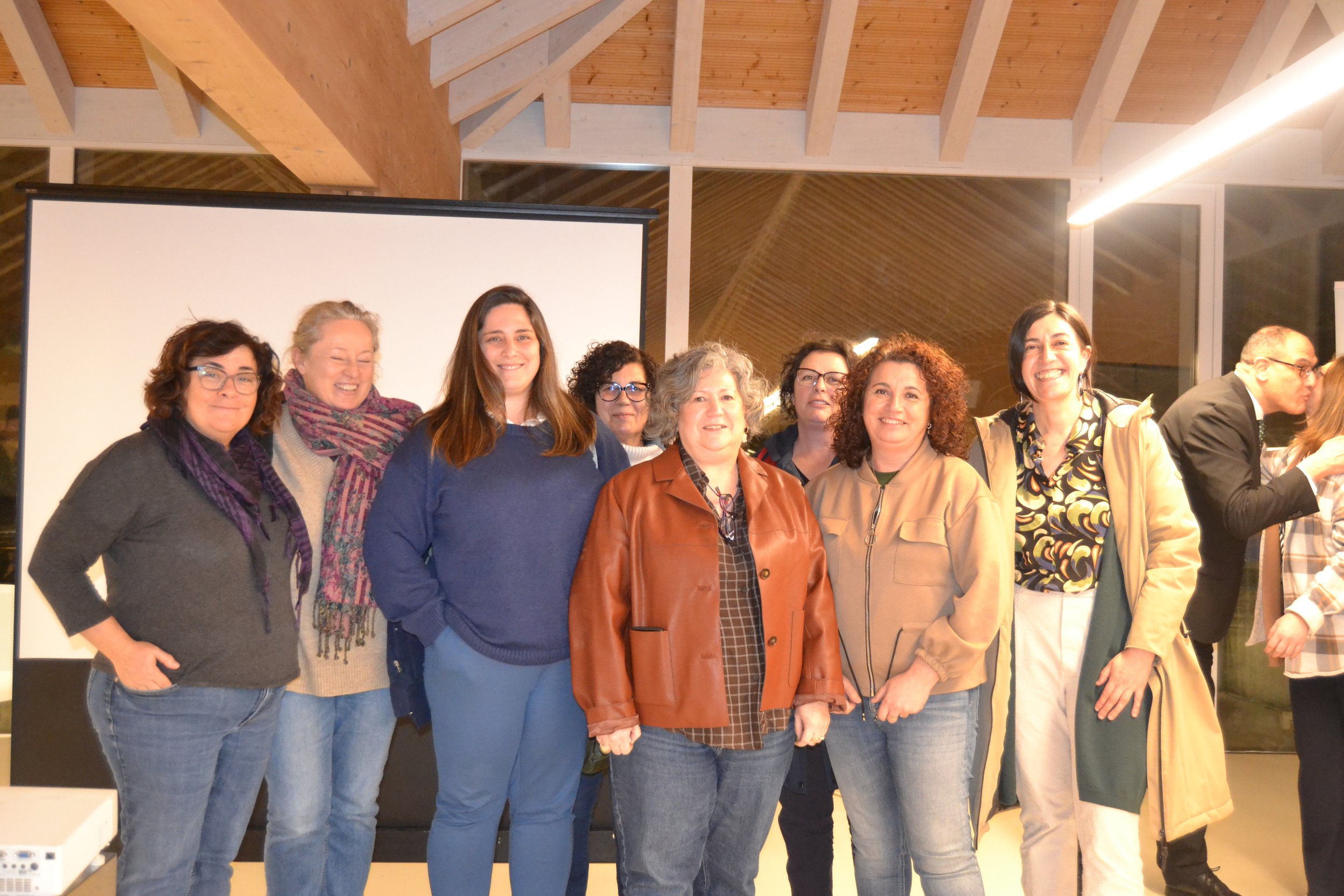
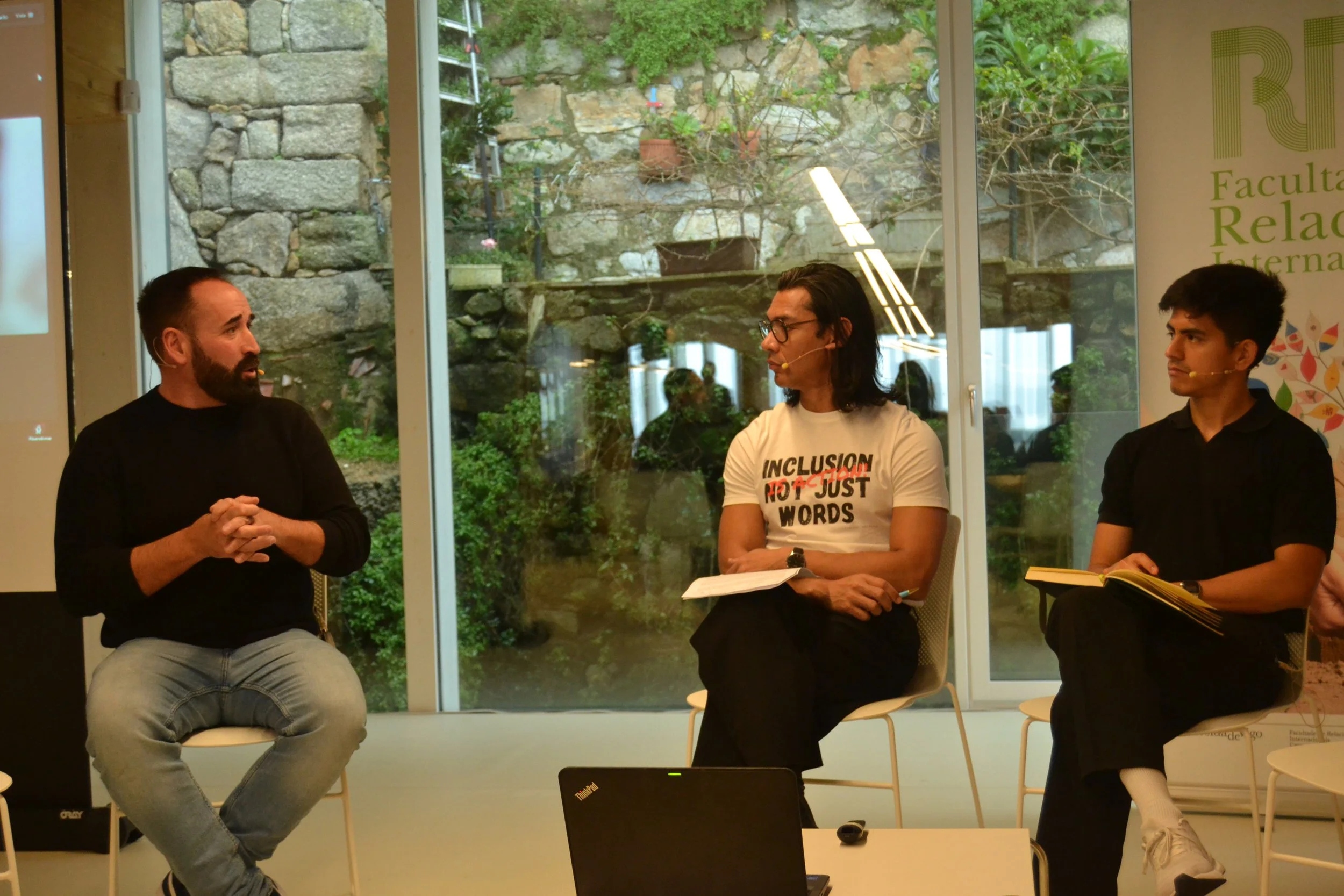
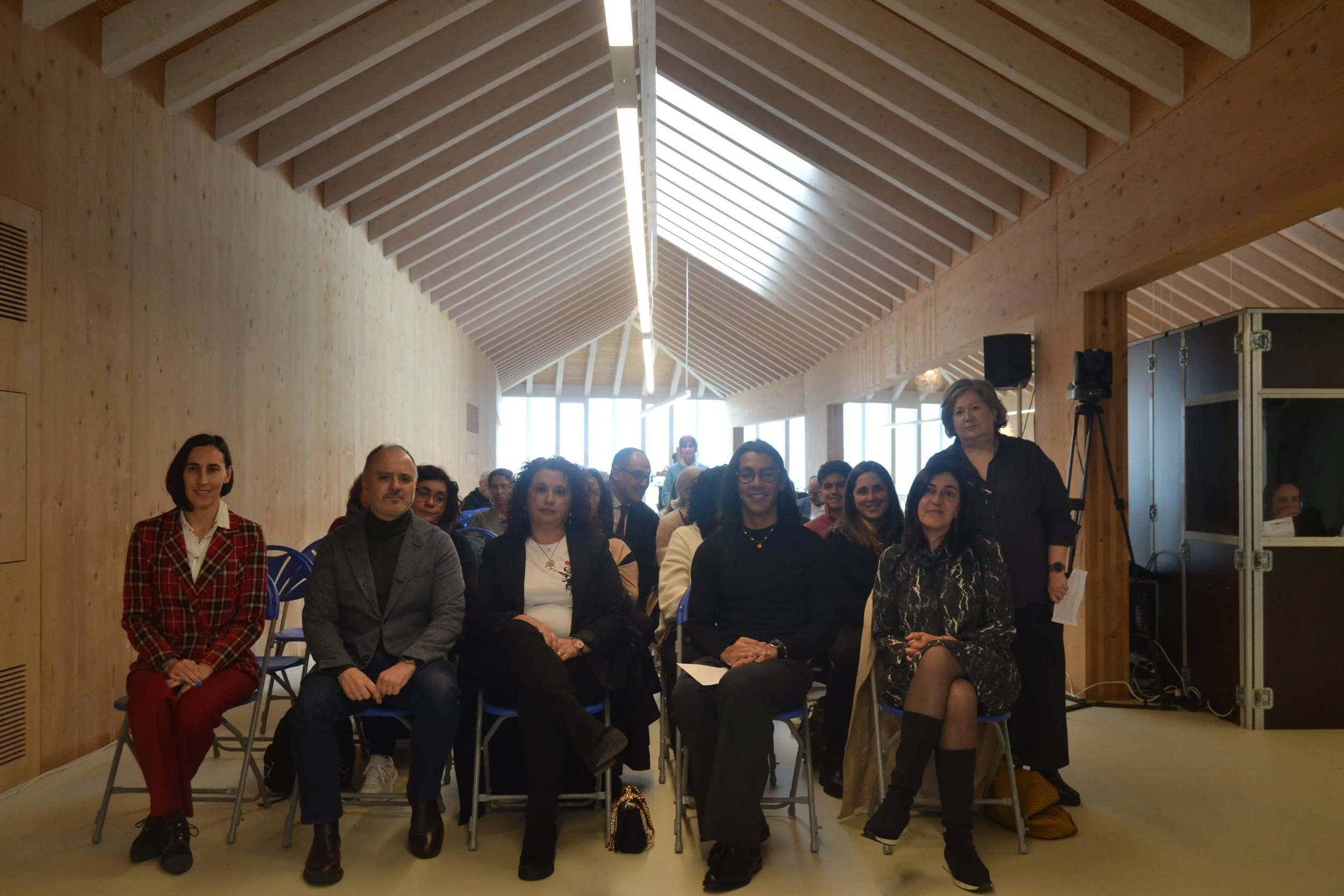
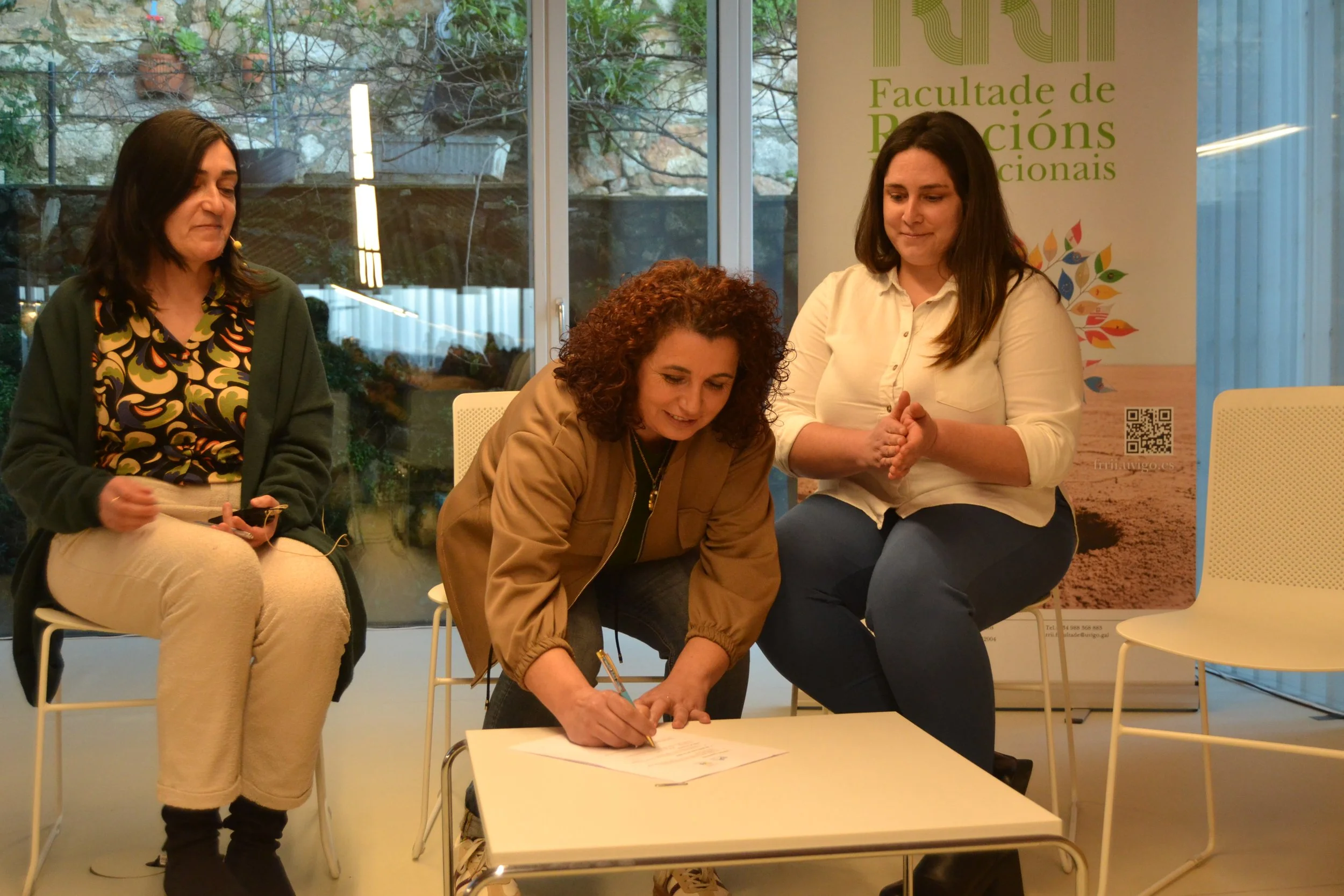
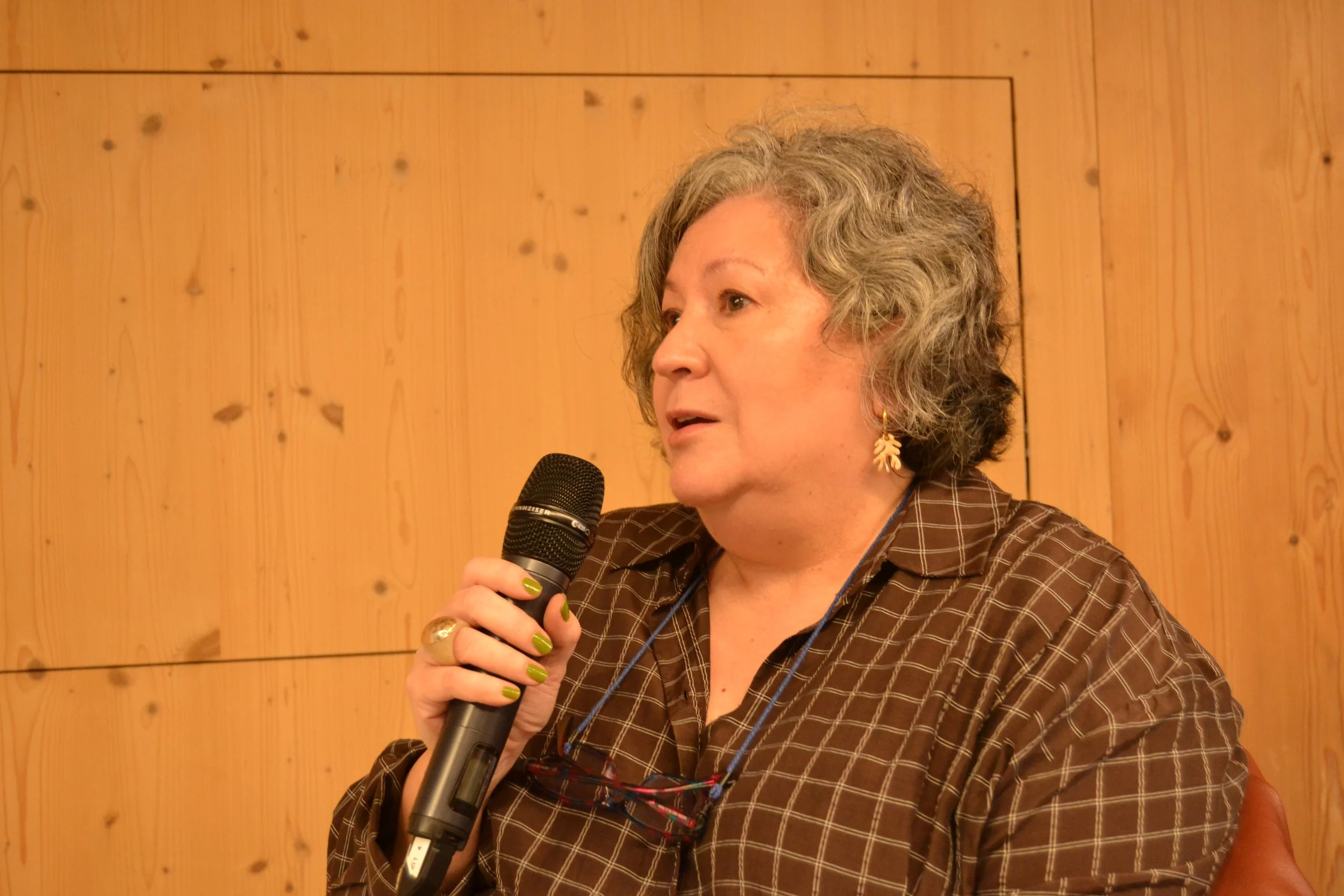
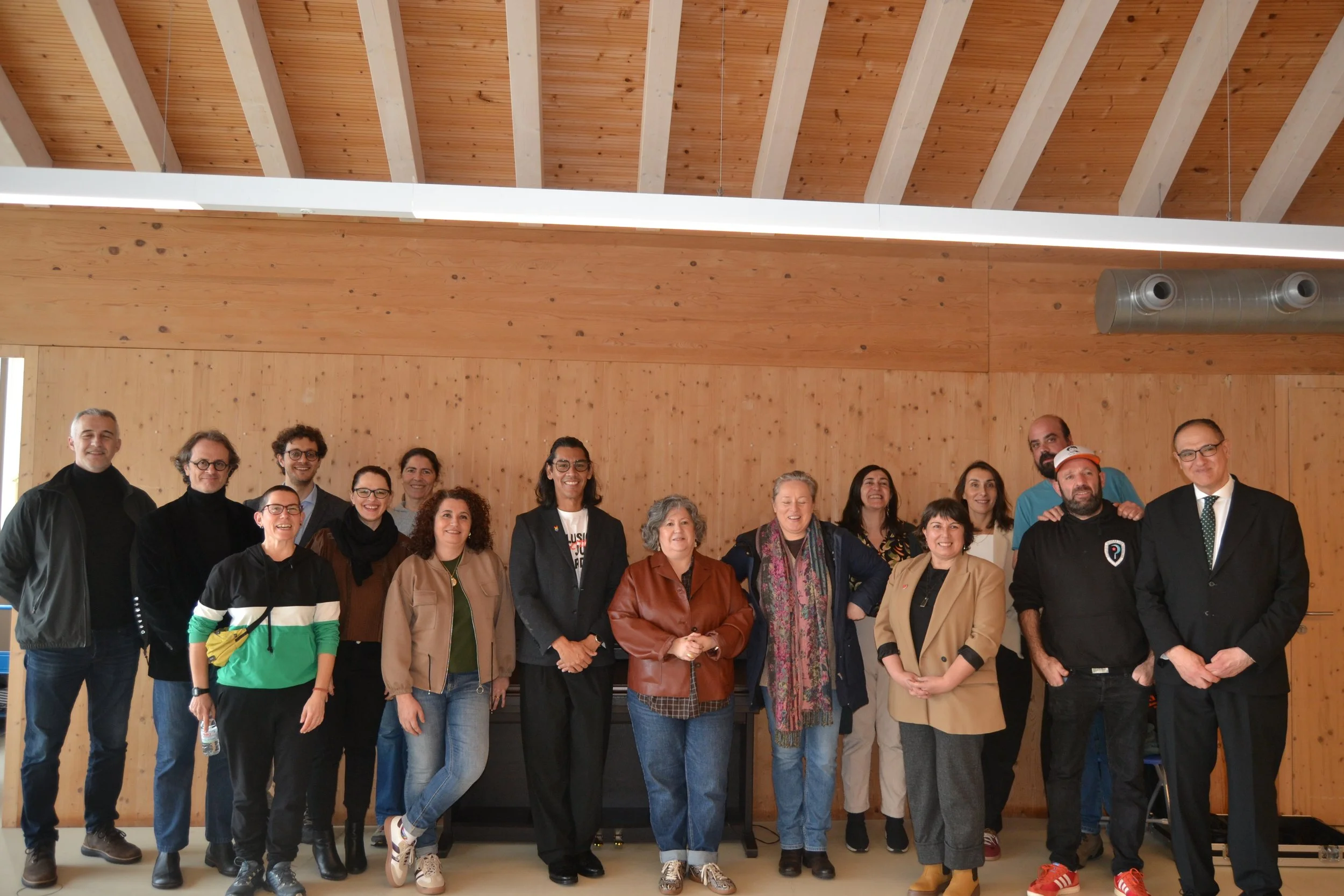
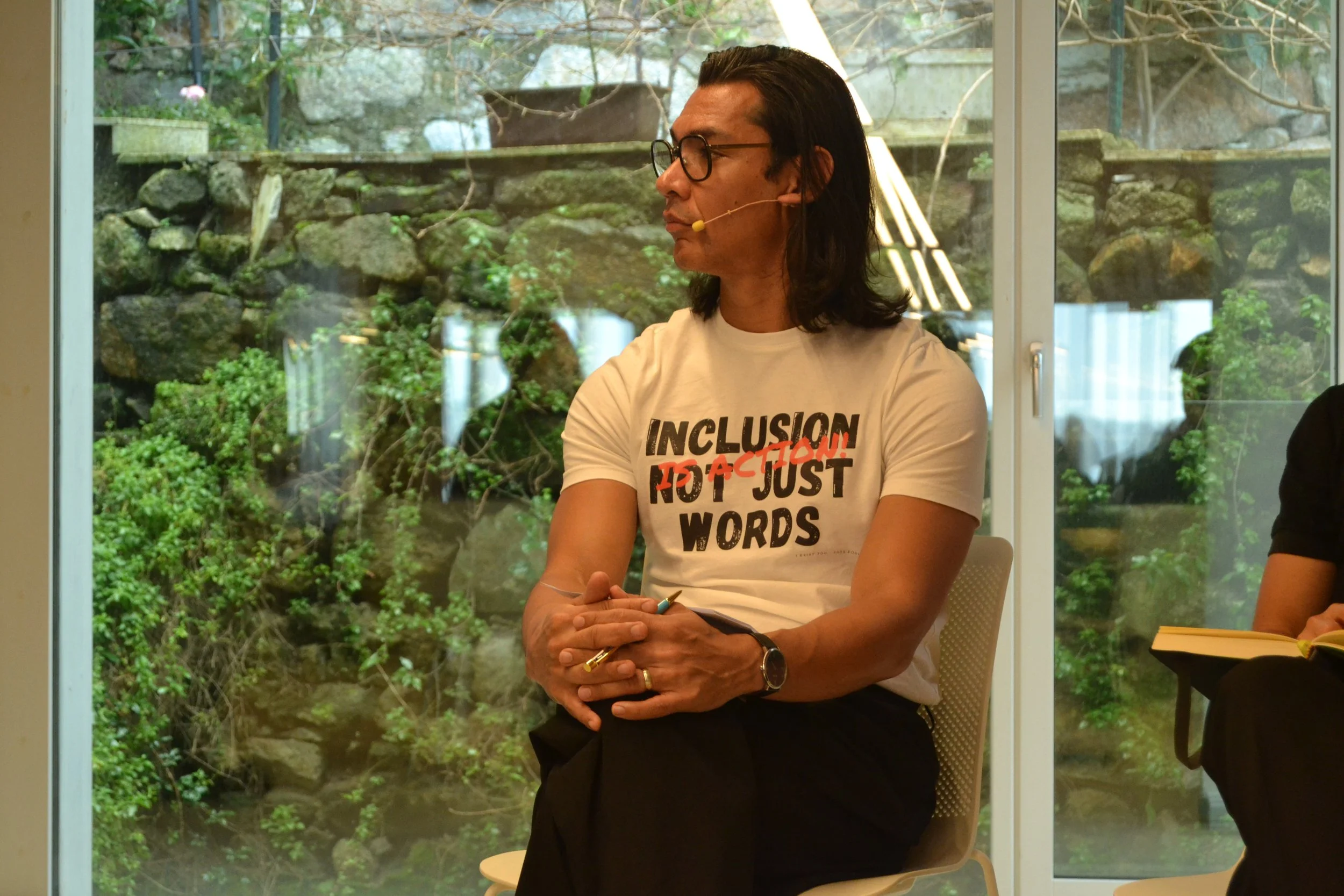
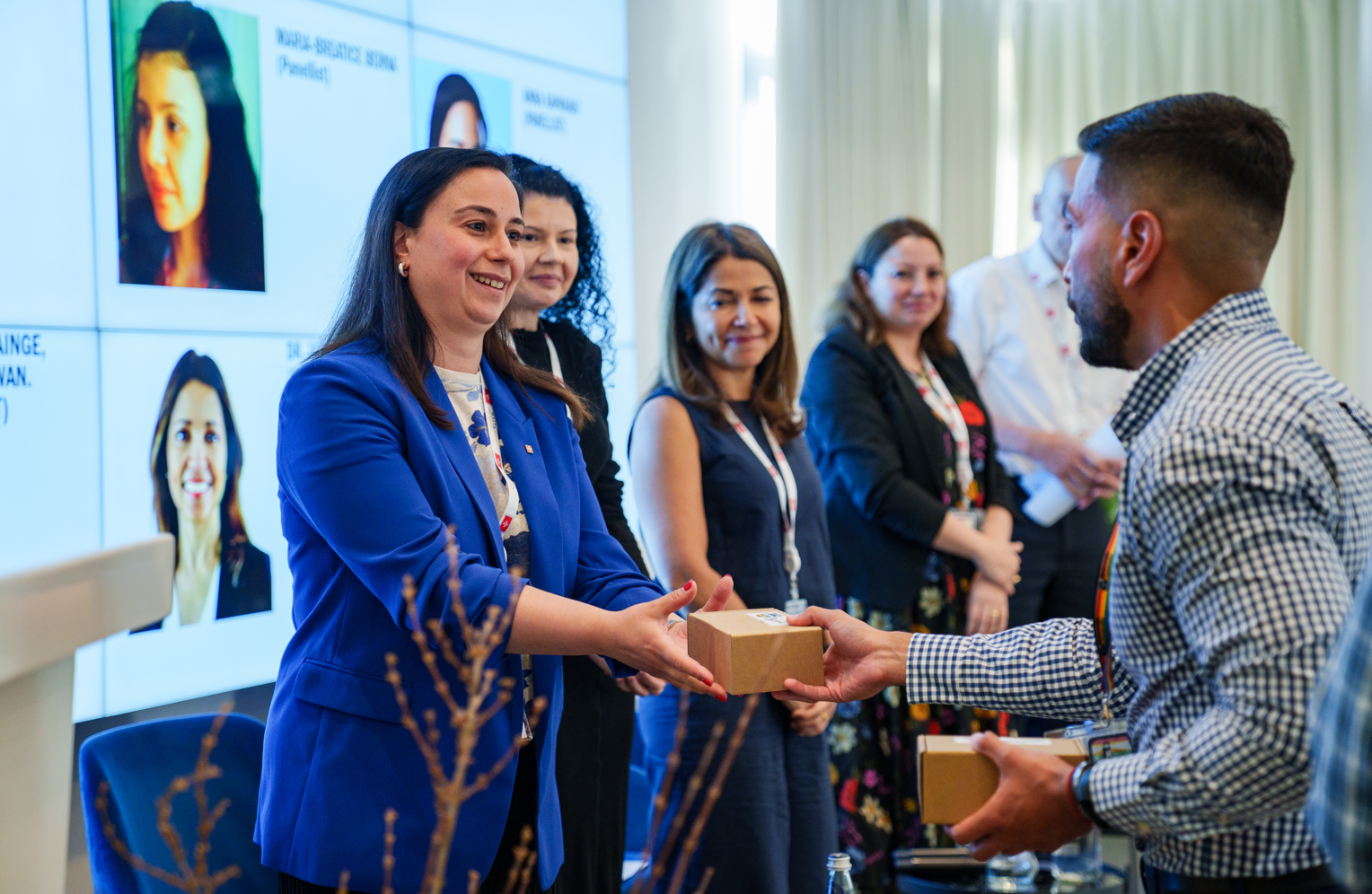
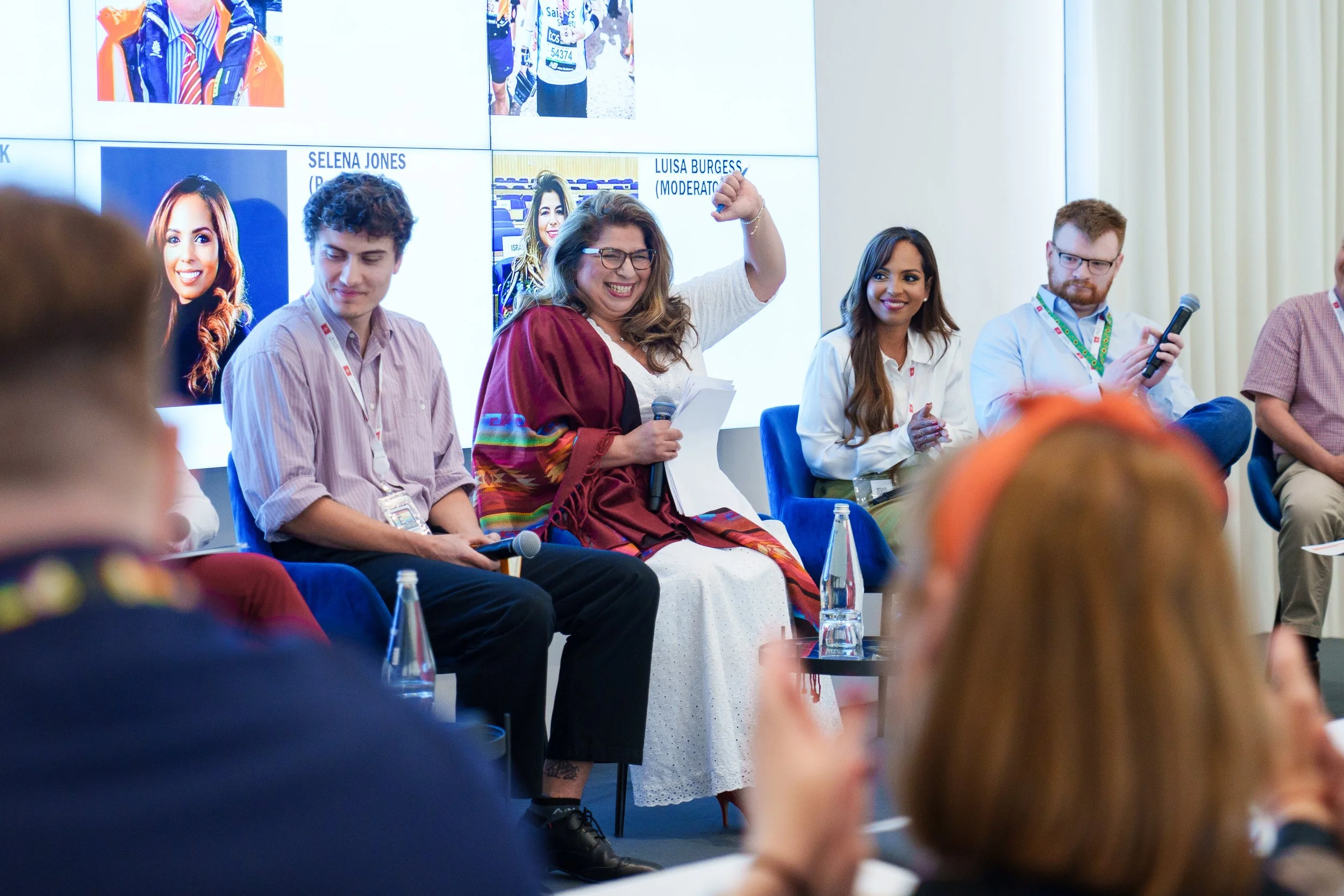
A visual snapshot of our workshop, capturing key moments, conversations, and the people driving change across the maritime sector. Step inside through a collection of moments that bring together voices, perspectives, and conversations.
Click on any photo to view and navigate through the gallery.
Meet Our Vigo 2026 Sponsors!
-
COST Action BlueRights
SPONSOR
COST Action BlueRights is a European research network focused on advancing human rights within ocean governance and the blue economy.
-
Conservation Alliance for Seafood Solutions
SPONSOR
CASS is a global network of organisations working to improve the sustainability and responsibility of seafood supply chains.
-
The Seafarers’ Charity
SPONSOR
The Seafarers’ Charity supports seafarers and their families through funding, advocacy, and welfare initiatives across the maritime sector.
-
Universidade de Vigo
SPONSOR
Universidade de Vigo is a public university based in Galicia, Spain, known for its strong focus on marine, environmental, and technological research.
-
The Pax Natura Project
SPONSOR
Pax Natura Project is an initiative focused on promoting environmental protection, peace, and human rights through research and advocacy.
-
Mulleres Salgadas
SPONSOR
Mulleres Salgadas is a collective of women in Galicia working across fisheries and shellfishing to promote visibility, equality, and recognition in the sector.
Be Part of the Movement!
From Panama to Malta to Bangkok, the I Exist Too movement is building a more inclusive maritime industry, one forum, one policy, one person at a time.
Support us and Donate!
The maritime industry has been silent on LGBTQI+ issues for too long, its time for you to break that silence. Support our forums, programs, initiatives, and advocacy work that's changing the industry from within.
Join our Bangkok Forum in 2027!
The future of the maritime industry depends on collaboration, innovation, and inclusion. Join our Bangkok 2027 Forum to connect with global leaders and help shape a more diverse and progressive industry.
Stay updated with our Newsletter !